

Food safety doesn't begin or end at the warehouse door. Every shipment introduces responsibilities f...

Choosing a Food Logistics Company: What a Food and Beverage 3PL Should Do as You Grow
As food and beverage manufacturers scale, their supply chains become more complex. New retail partne...

Food Supply Chain Visibility: Identify Problems Before They Disrupt Delivery
For food and beverage manufacturers, learning about a delayed shipment from the retailer is often th...
Ohio Food Logistics: How Central Ohio Supports Food and Beverage Distribution
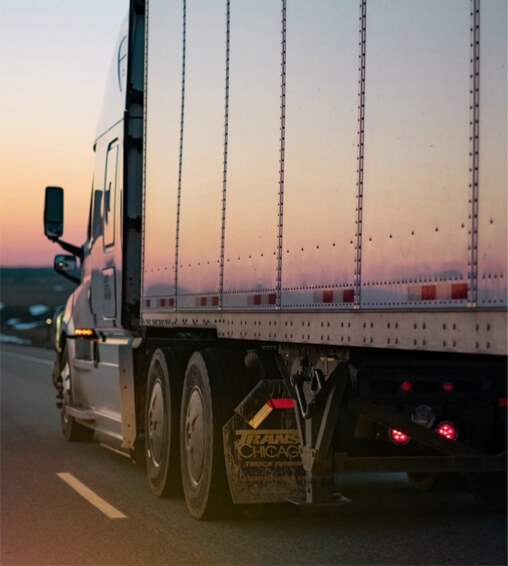
For food and beverage manufacturers, distribution location influences more than transportation costs...
Automated Trucking and the Future of Ohio’s Automotive Supply Chain
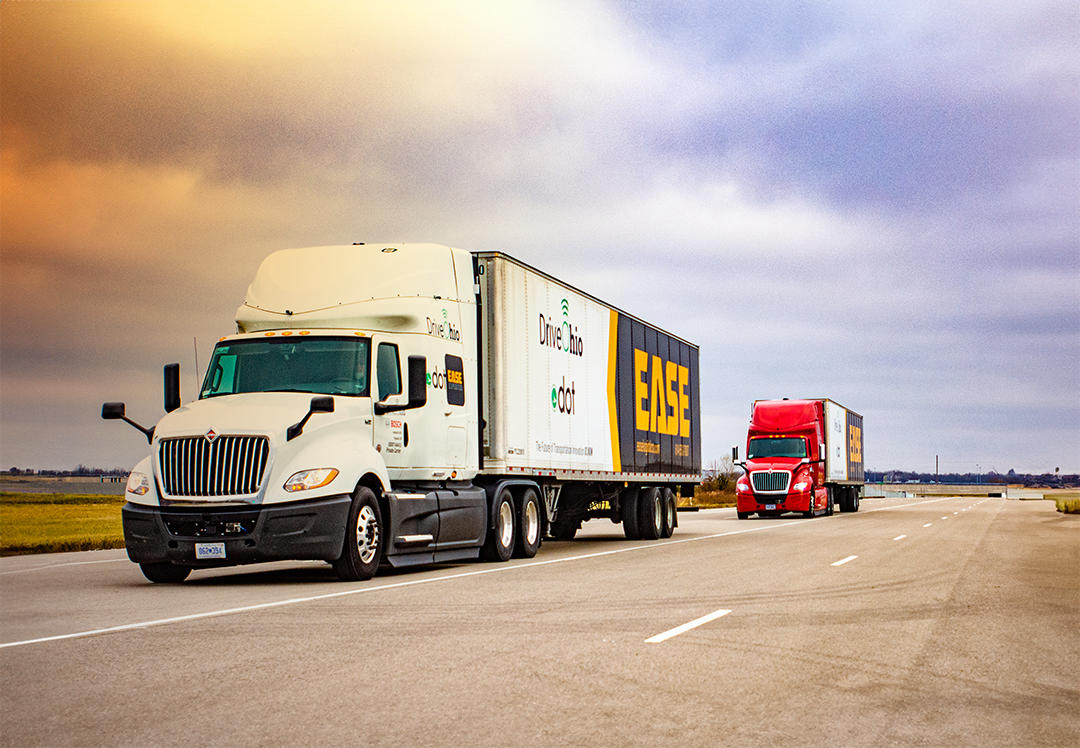
Most conversations about automated trucking are still hypothetical: what the technology might do, wh...
Why Automotive Logistics Demands 4PL-Level Visibility
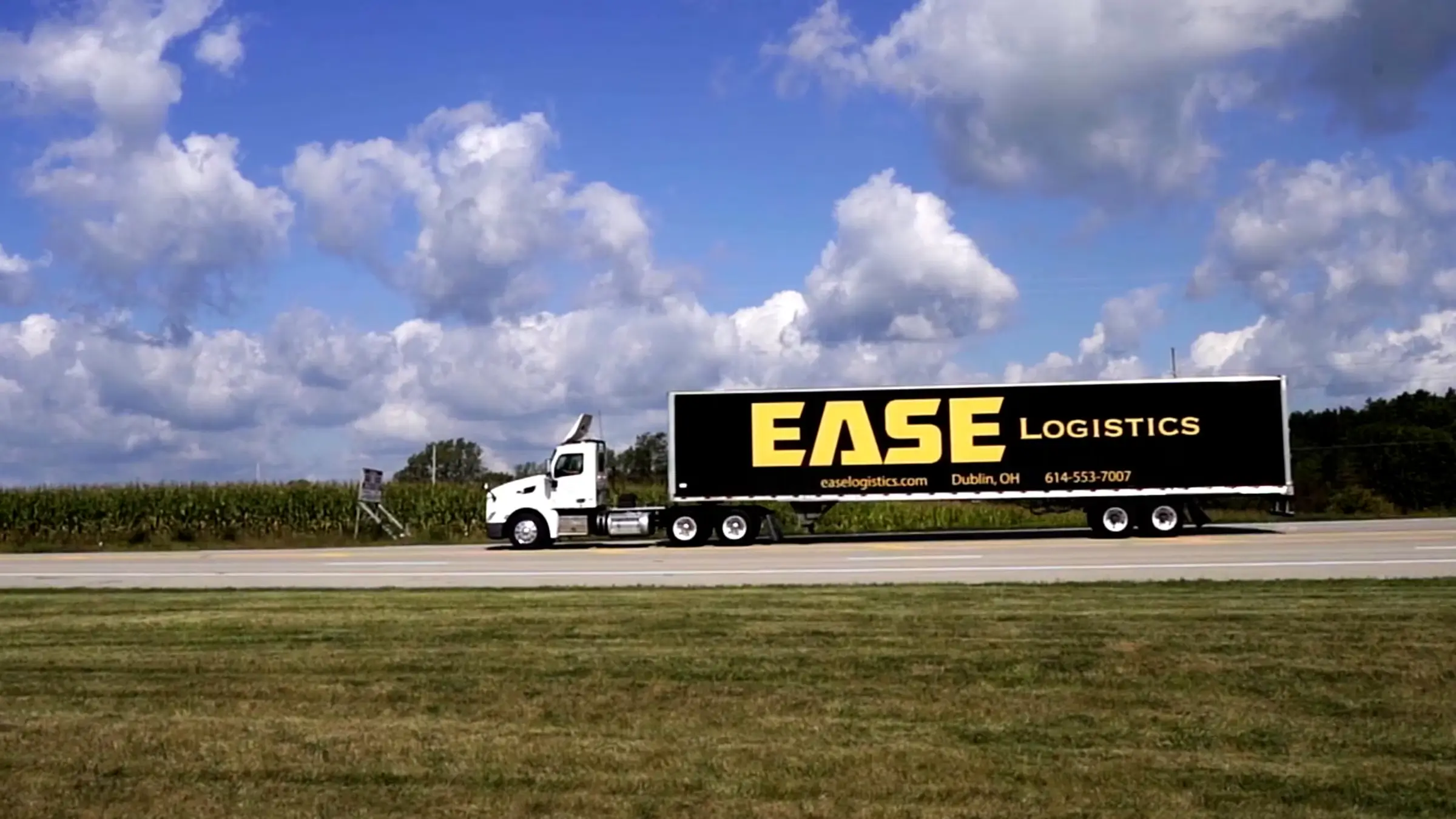
Daily automotive freight volumes grew 2.8x year over year, from 71 loads per day in March 2025 to 19...

Food and Beverage Warehousing: Why Location, FDA Compliance, and Visibility Matter
A warehouse that stores food isn't automatically a food-grade warehouse in any regulatory sense. It'...
Managed Logistics for Food and Beverage: Why a Strategic Partner Beats a Transactional Broker
Dry goods freight running a day behind schedule is a scheduling headache. Refrigerated freight runni...
Reefer Trucking for Food and Beverage: Keeping Perishable Freight On Temperature, On Time
Reefer trucking is full truckload freight moved in a refrigerated trailer that actively manages temp...
Food-Grade Transportation: What Shippers Need to Know About Compliance and Carrier Selection
Food-grade transportation means moving food in a way that meets the sanitation, temperature, and rec...
- 1
- 2