
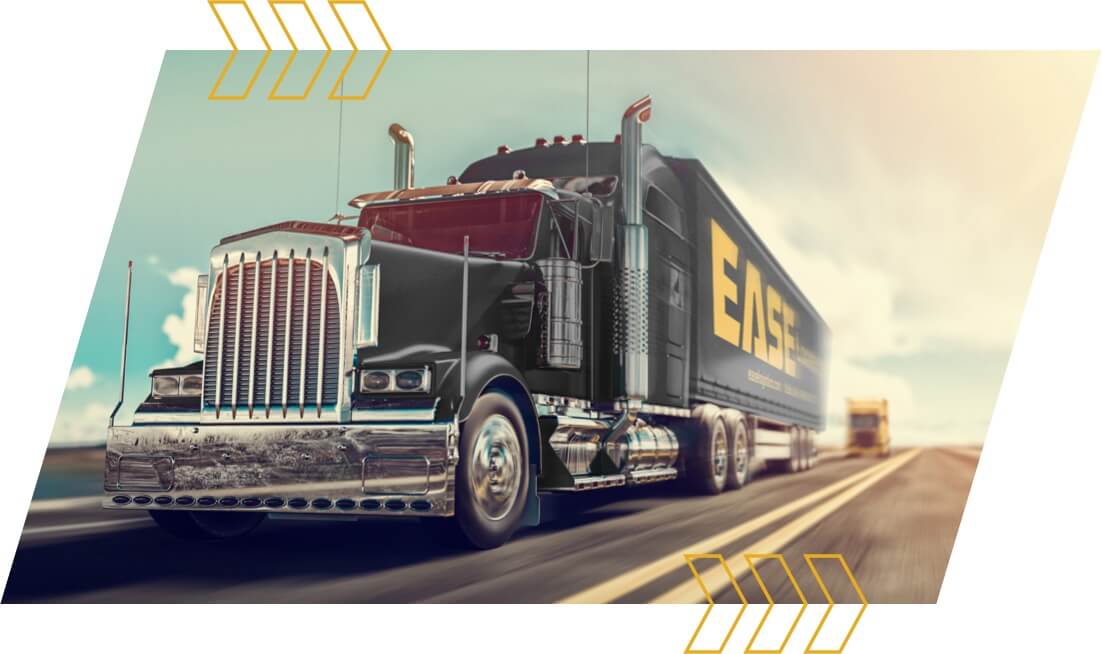
Dry goods freight running a day behind schedule is a scheduling headache. Refrigerated freight running a day behind schedule is often just gone. A temperature excursion or a blown delivery window doesn’t give a shipment a second chance once shelf life is spent. That gap in consequence is exactly why managed logistics for food and beverage beats sourcing capacity the way a general freight shipper does, calling a broker load by load and hoping the next carrier understands cold chain and compliance as well as the last one did.
Managed logistics is the alternative: one program, one point of accountability, built around the specific risks that make food and beverage freight harder to get right than most other categories.
What “Managed Logistics” Means for Food and Beverage Shippers
Managed logistics means a provider designs and runs your freight program as an ongoing operation rather than filling individual loads: dedicated reefer and dry van capacity, FDA-compliant warehousing integrated with the transportation plan, visibility technology that spans every mode, and an account manager accountable for performance across the whole network. That’s a different relationship than calling a broker every time a load needs to move.
That gap shows up constantly in conversations with food and beverage manufacturers: they know they’ve outgrown booking loads one broker at a time, but most of what’s written about “managed logistics” is generic enough to apply to any industry, not to the cold chain and compliance risk that actually drives the decision.
Why Transactional Brokerage Falls Short for Perishable and Regulated Freight
The difference isn’t broker versus non-broker, it’s transactional versus strategic. A transactional relationship sources capacity one shipment at a time, with no ongoing stake in how the freight performs once it delivers. A strategic relationship uses the same tools, including spot and expedited capacity when it’s the right call, inside a program built around your product’s risk profile and accountable for the outcome.
That distinction matters most with freight that can’t tolerate a carrier learning on the job. A spot-market carrier running a cold chain load for the first time may not know how to protect airflow during loading, what to do if a reefer unit shows early signs of trouble mid-route, or how a retailer’s receiving window actually works. None of that shows up on a rate sheet, and all of it shows up the first time something goes wrong.
The accountability gap matters just as much as the operational one. A transactional relationship ends when the load delivers. A strategic one doesn’t: if a retail service scorecard slips because of a pattern of late or out-of-spec deliveries, there’s a program manager whose job is to fix it, whether that load moved on dedicated capacity or spot.
What a Managed Program Adds
A real managed logistics program for food and beverage brings together whatever mix of capabilities the product actually needs: temperature-controlled, cold chain FTL capacity alongside dry van under one plan, FDA-registered warehousing when a customer’s network calls for it, expedited capacity for the moments when a delay would mean spoiled product, and visibility tools like the AMMI platform that flag a shipment trending toward a missed window early enough to act on it. For customers who handle their own warehousing, that same accountability shows up differently: a transportation partner who knows the nuances of each DC and plans around them, rather than treating every dock as interchangeable.
The result shows up in outcomes, not just process. A national beverage brand came to EASE with declining service scores at one of its largest wholesale partners, putting retail shelf space at risk. A managed freight program moved that account’s service score from 88.5% to 98.5%, and the brand kept both its shelf space and the wholesale relationship. That’s the kind of recovery a single-lane broker relationship isn’t built to produce, because no one on that side of the relationship owns the outcome.
How to Tell You’ve Outgrown a Broker Relationship
A few patterns tend to show up before a manufacturer realizes they’ve outgrown transactional freight: retail service scorecards are trending down, and nobody outside your own team is accountable for fixing it, reefer capacity disappears every peak season with no advance warning, warehousing and transportation run on schedules that don’t talk to each other, even when the people managing them are trying their best, and every new SKU or distribution channel means starting the carrier vetting process over from scratch.
The fix is a program built around your product’s actual risk profile, not a better broker.
Frequently Asked Questions
Is managed logistics the same as hiring a 4PL?
Not exactly, though the concepts overlap. Managed logistics describes an ongoing, accountable freight program rather than transactional bookings. A 4PL takes that further, orchestrating your entire logistics function, including multiple providers, under one strategic umbrella.
Does moving to managed logistics mean giving up flexibility for spot capacity?
No. Most managed programs, including EASE’s, still use the spot market for overflow and one-time moves. The difference is that spot capacity operates inside a broader program with accountability, not as the default way freight gets booked.
How long does it take to see results from switching to a managed program?
It depends on the starting point, but service scorecard improvements are often visible within a few months once dedicated capacity, compliance protocols, and visibility tools are in place and carriers have run the lanes long enough to know them.
What food and beverage categories benefit most from managed logistics?
Perishable and temperature-sensitive categories see the clearest benefit, since the cost of a service failure is highest there, but any manufacturer selling into retail or foodservice channels with strict scorecards benefits from having one accountable partner instead of several disconnected vendors.
Ready to see what a managed logistics for food and beverage program looks like for your product, not someone else’s? Talk to EASE about building one around your actual volume and risk.
 ?
?