
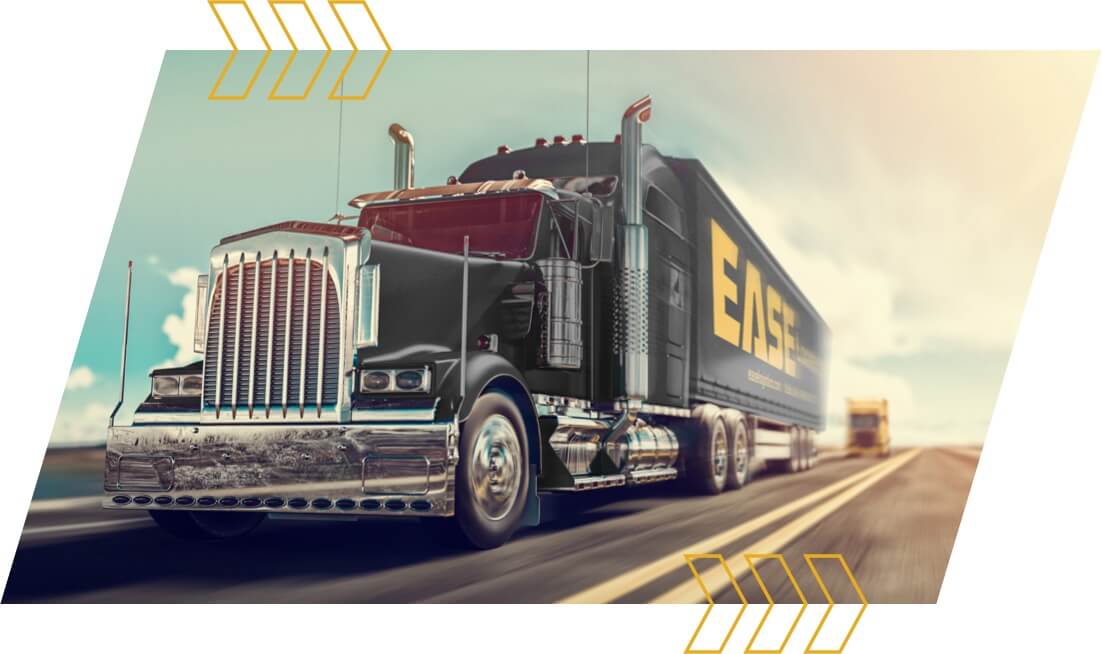
Food-grade transportation means moving food in a way that meets the sanitation, temperature, and recordkeeping requirements the FDA sets for shippers, carriers, and receivers, not just using a truck that looks clean. Getting this wrong creates compliance exposure that lands on the food and beverage manufacturer, not just the carrier.
What “Food-Grade Transportation” Actually Means
There’s no single certification that makes a truck “food-grade” the way FDA registration makes a warehouse food-grade. Instead, food-grade transportation is a set of practices governed primarily by the FDA’s Sanitary Transportation Rule under the Food Safety Modernization Act. It applies to shippers, receivers, loaders, and carriers who move food by motor or rail vehicle in the U.S., with an exemption for businesses averaging under $500,000 in annual revenue (FDA, 2024).
That means “food-grade” is really a question of process and documentation: is the vehicle maintained so it doesn’t make the food unsafe, is temperature controlled appropriately, and can everyone in the chain prove it.
What the FSMA Sanitary Transportation Rule Requires
The rule sets requirements in four areas that matter operationally, not just on paper.
- Vehicle and equipment design and maintenance. Trailers and equipment have to be built and maintained so they don’t cause the food they transport to become unsafe. This covers everything from trailer cleanliness to preventing cross-contamination between loads.
- Temperature control. Shipments that require temperature control need adequate controls in transit, and ready-to-eat food has to be kept separate from raw food that could contaminate it.
- Training. Carriers that share responsibility for sanitary conditions have to train personnel on food safety awareness and basic sanitary transportation practices, and keep documentation of that training on file.
- Recordkeeping. Shippers, carriers, and receivers all have to maintain records of the agreements, procedures, and communications that establish responsibility for a shipment’s sanitary condition, generally for up to 12 months (FDA, 2024).
None of this is exotic. All of it requires a carrier that treats compliance as a daily operating standard, not a document produced when asked.
Red Flags That Signal a Carrier Isn’t Actually Food-Grade Ready
A few signals suggest a provider is newer to food and beverage freight than they let on: vague answers about temperature monitoring equipment, no clear process for driver food safety training, warehousing offered without a straight answer on FDA registration status, and pricing that’s noticeably lower than reefer-specific providers with no explanation for the gap. Compliance costs money to do right, and a rate that’s too good to be true is often a rate that skips something.
Past experience with food freight isn’t the same as documented compliance.
Not sure your current carrier can answer these questions clearly? Talk to EASE about a food-grade transportation program built around documented compliance, not assumptions.
Frequently Asked Questions
Is there an official “food-grade” certification for trucks?
Not in the way there is for warehouses. Food-grade transportation is governed by compliance with the FDA’s Sanitary Transportation Rule rather than a single certification, so evaluating a carrier means checking their practices and documentation against that rule.
Who is responsible for food safety during transport, the shipper or the carrier?
Both. The Sanitary Transportation Rule assigns responsibilities to shippers, carriers, receivers, and loaders based on who controls what part of the shipment, and requires written agreements that establish who is responsible for what.
Are small carriers exempt from FDA transportation rules?
Businesses averaging under $500,000 in annual revenue are exempt, along with a few other specific categories like farm transportation and completely enclosed non-temperature-controlled containers. Most commercial food and beverage carriers fall outside these exemptions.
How long do food transportation records need to be kept?
Generally up to 12 months, though the specific retention period depends on the type of record. Shippers should confirm their carrier’s recordkeeping practices rather than assume compliance.
What’s the biggest compliance mistake food and beverage shippers make with carriers?
Assuming a carrier is food-grade compliant because they’ve hauled food before, without verifying their actual sanitation procedures, training records, and temperature control practices.
 ?
?